Making sure you meet your objectives and comply with any legal & regulatory requirements when setting up a trust.
We have extensive experience setting up different types of trust to suit a range of client requirements, from managing the transition of wealth to future generations through to trusts that support those without the capacity to manage their own affairs.
Depending on the type of trust needed, there can be a variety of important and sometimes complex tax and legal issues to manage. We will work closely with you to make sure a clear trust agreement is in place and that all parties are clear on the intent, so that the trust delivers as required.
Trusts can be complicated, and we advise that you talk to one of our experienced solicitors if you want to set up a trust or need advice on an existing trust. We can help you to choose the right type of trust to meet your objectives. If appropriate, we can also help you to choose an appropriate trustee and guide you through the set-up, trust registration and management as needed – as well as help to resolve any disputes that may arise.
Yes, there are many different types of trust, and we can help you to choose the most suitable to meet your needs. From Bare Trusts to Discretionary Trusts, each has advantages and disadvantages that will require careful consideration in discussion with you. You can view some of the different types of trust on The Law Society of England & Wales’s website.
Choosing the right trustee is an important part of setting up a trust. The trustee will look after any assets placed in the trust and will be responsible for distributing those assets in line with the terms of the trust. Typically, a trustee is either someone known to and trusted by the settlor - the person whose assets will be held in the trust, or a professional company or person like a solicitor or an accountant.
A trustee is legally responsible for assets held in a trust and is required to manage the trust in accordance with the settlor's wishes – the settlor is the person whose monies/assets were placed into the trust. A trustee must:
The powers of the trustee are provided by law and will also normally be set out in the will or trust deed
Typically, a trustee has the following powers:
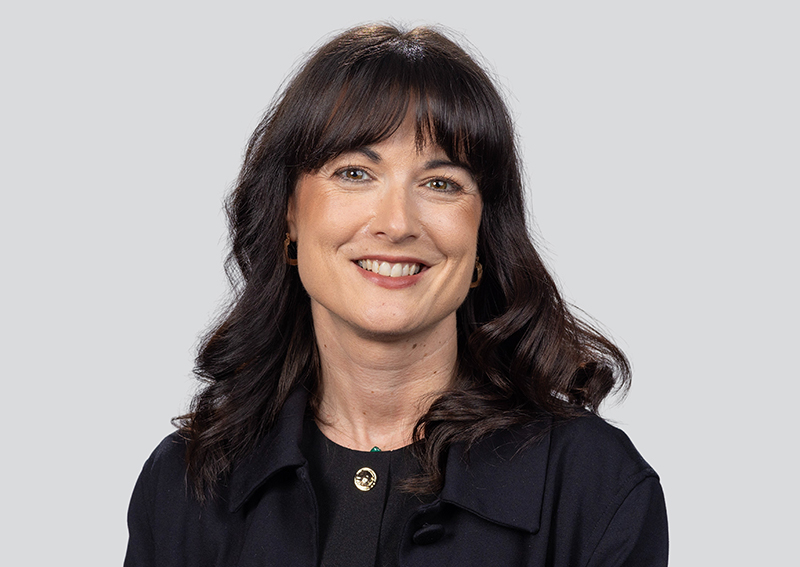
Kerry Morgan-Gould
Partner and Head of Trusts & Estates
+44 (0)1392 334154 k.morgan-gould@ashfords.co.uk View more
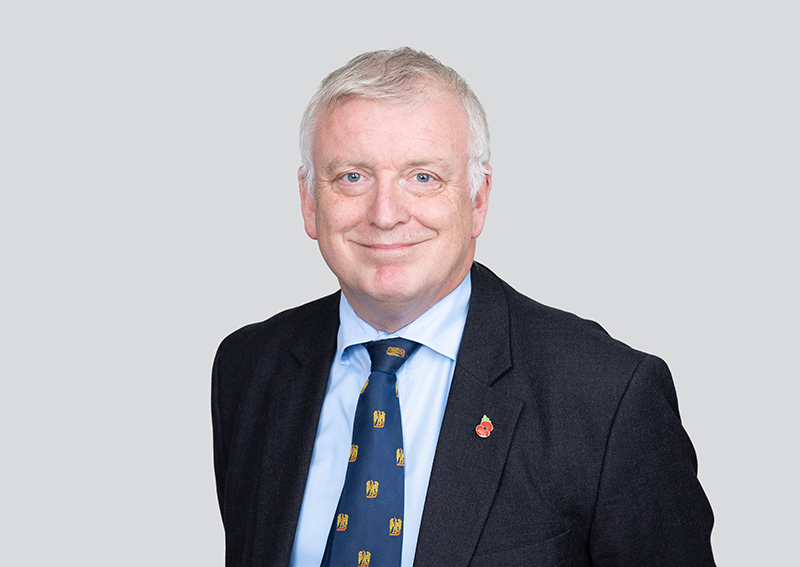



Mike Westbrook
Partner & Head of Private Wealth Sector
+44 (0)117 9378695 m.westbrook@ashfords.co.uk View moreWe are lawyers you can count on to deliver. If you’d like to find out more about our services and whether we can help you, click the button below and get in touch.
Our team will be responsive and accessible – a valued partner ready to assist you every step of the way.
Contact us
We produce a range of insights and publications to help keep our clients up-to-date with legal and sector developments.
Sign up