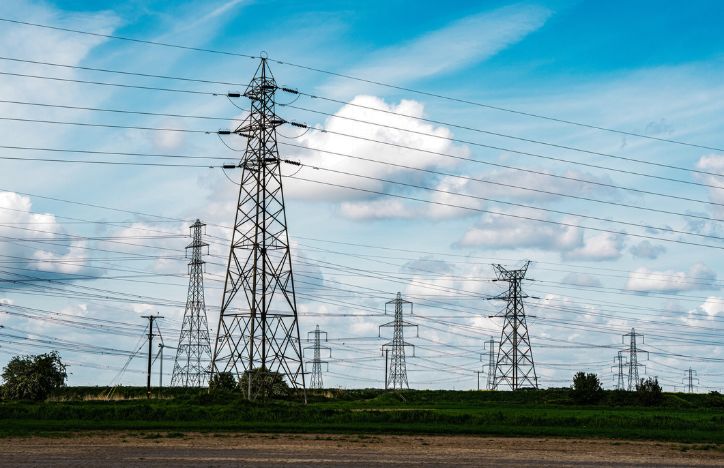
As part of its five year plan to improve electricity and gas grids in the UK, Ofgem has approved a five-year funding plan worth £28 billion for investment into the UK’s energy network. In one of the largest expansions within the electricity grind in years; £10.3 billion will go towards strengthening energy transmission, and £17.8 billion will go towards upgrading gas transmission and cyber security.
For consumers, the investment is expected to add £108 to energy bills by 2031 - £48 for gas and £60 for electricity. However, savings of roughly £80 are expected from the upgrades, meaning a net rise in energy bills of £30.
This article explores Ofgem’s approval of a £28 billion investment plan to upgrade the UK’s electricity and gas grids over the next five years. It examines the rationale behind the upgrades, and what the changes mean for stakeholders including network operators, renewable energy developers, and investors.
The current grid system is considered to be out of date and no longer fit for purpose. It is particularly inadequate for dealing with rising energy demands, especially in light of the move towards renewable energy. For instance, windfarms have been paid billions per year by the grid operator in curtailment fees for up to 13% of its operational times, with offshore cabling shortages meaning the power cannot be transported back to the grid in peak production times. As such, addressing the strains on UK energy systems is not simple.
However, according to Ofgem, upgrades should address inefficiencies in the current system.
Whilst a modest increase in energy bills is expected, moving towards 2030 if the upgrades deliver as proposed, the UK energy supply should become more reliable, and in the long term support an increased use of renewables to provide a modernised grid.
Ofgem have reported that the investment will fund 80 transmission projects and associated works over the UK throughout the next five years.
This is expected to increase grid capacity through the introduction of additional power lines, substations alongside other technologies.
These organisations are some of the key recipients of the funding, and therefore they must deliver these upgrades. They should seek opportunities for growth whilst considering carefully proposed timelines and standards, and ensure compliance with Ofgem incentives. Reforms to the connections process by NESO could assist in ensuring delivery of projects which are ready to connect, rather than having zombie projects continue to cause delays in the pipeline.
For renewable energy developers, increased grid capacity could unlock significant commercial benefits. Whether in wind or solar for instance, the transmission expansion should directly tackle issues with grid constraints by increasing capacity to transport electricity from generation sites. Increased grid capacity creates further opportunities to then accelerate renewable energy projects.
As such, developers and operators should consider project pipelines in light of increased grid capacity, and review and possibly re-negotiate connection agreements depending on how their positions in the connection queue have been impacted by the NESO reforms.
With major investments into renewables already, an enhanced grid can accelerate greater investment opportunities into generation assets. Investment risk may be reduced with lower curtailment issues, as well as increased opportunities in relation to projects. Investors should therefore consider areas with high projected grid expansion, consider investment returns and consider relationships with developers and operators within good time of projects beginning.
The key takeaway is that consistent grid constraints are delaying the UK's progression away from fossil fuels to cleaner sources of energy production. Investment in the transmission network is one such way this can be remedied, however the challenge will be ensuring the projects delivered meet the greatest needs regionally. It is likely this new investment into the grid will need to be considered in light of the NESO connection reforms, alongside NESO's envisaged Regional Energy Strategic Plans, to ensure investment decisions are taken holistically to maximise the benefits available.
For further information regarding the content of this article or any related issues, please contact the energy and resource management team at Ashfords.
We produce a range of insights and publications to help keep our clients up-to-date with legal and sector developments.
Sign up