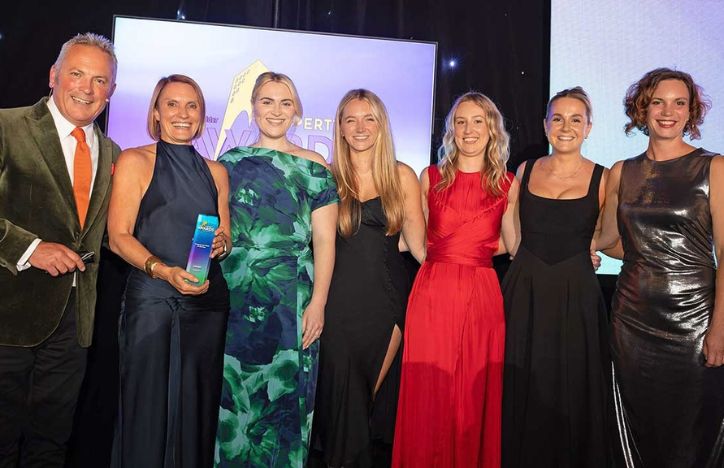
BusinessDesk's first Business of the South West Conference provided an important forum to explore how we can work collaboratively to unlock the region's potential.
I was pleased to join the 'Investing in place to deliver generational change panel' - from a placemaking perspective, the discussion centred on how we create sustainable, long lasting places where people genuinely want to live, work and spend time. I was joined by Bristol Airport's David Lees, Professor Judith Squires from the University of Bristol, and Muse's Duncan Cumberland to explore what it takes to deliver meaningful, generational change.
Here are my five key reflections:
Place transformation rarely begins with a masterplan. It starts with a spark. Early, visible investment can shift perceptions and give partners the confidence to follow. Examples such as Canning Town or Millbay in Plymouth show how one high quality intervention can unlock wider regeneration and encourage businesses, investors and residents to commit.
When universities or major employers fully integrate themselves into a place, they create powerful ecosystems. The University of Bristol’s Temple Quarter campus is a strong example, bringing students, researchers and industry together in one environment and generating talent pipelines, commercial partnerships, supply chain activity and momentum. Anchor institutions build confidence when they invest their people, facilities and networks into the fabric of a place.
Good connections, whether by air, rail or road, make it easier for people and businesses to choose the region, and they set the tone for how the region is experienced. They help attract investment, support growth and, when planned well, remove barriers to accessing opportunities. Sustainability remains essential in any development, and the region’s strengths in advanced engineering and aerospace will help shape how we deliver on that shared commitment.
Regeneration can be challenging and complex to deliver, and it works best when public and private partners are clear from the outset about what success looks like. Strong objectives and relationships create stability, while flexibility allows teams to respond to inevitable economic and policy changes over time. When purpose is aligned, even multi year projects become manageable.
Developers are moving away from a “build, sell, move on” mindset. Delivering schools, community spaces and public realm early helps new places feel established quickly and creates long term value. Strong social infrastructure is now recognised as essential to both commercial performance and community resilience.
Ultimately, long term success depends on partnership, shared ambition and a genuine place first approach. As someone who lives and works in the region, I am excited about what the next decade could bring for our cities and communities. The ambition in the room made it clear that the South West has a huge opportunity ahead, supported by a growing group of partners ready to deliver it.
For further information, please contact Kate Topp.