Since 6 April 2026, the first phase of the Employment Rights Act 2025 has come into effect. While many provisions are being phased in over 2026–2027, one of the most significant cultural and legal shifts concerns menopause in the workplace.
For the first time, UK employment legislation explicitly recognises menopause as a workplace equality issue, linking it to gender equality, workforce retention and fair treatment at work. This represents the most substantial change in how menopause is addressed at work in decades.
Menopausal women are the fastest growing demographic in the workplace, yet 1 in 10 leave an organisation due to unmanaged menopause symptoms and 33% of working women admit to actively hiding their menopause symptoms at work. The average age for women go to through the menopause is 51. It can be earlier than this, naturally or due to surgery or illness. Symptoms may start years before the menopause during the perimenopause phase.
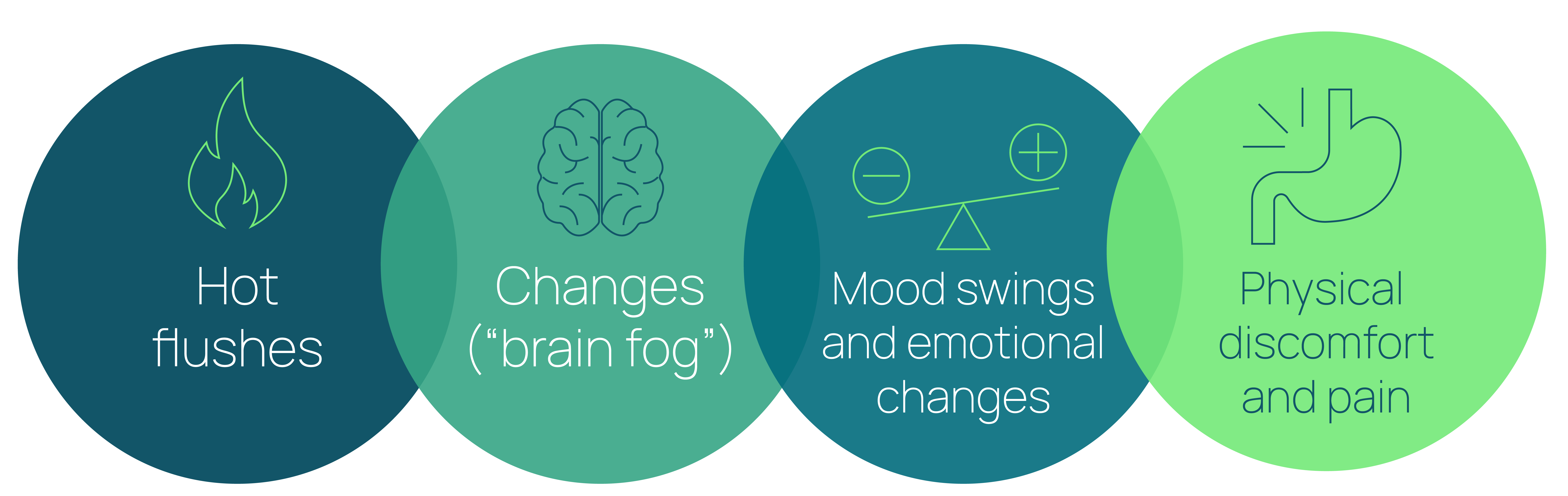
It is a natural life stage, yet its symptoms can affect performance, confidence, wellbeing, and employee retention if not properly understood or supported. There are 53 recognised symptoms of menopause, many of which can directly affect day to day working life.

From April 2027, employers with more than 250 employees will legally be required to publish a menopause action plan as part of their wider gender equality obligations.
While publication is not yet mandatory, the government and Acas (Advisory, Conciliation and Arbitration Service) have been clear in their expectations:
A menopause action plan is not just:
It is a formal, documented commitment setting out how the organisation will support employees experiencing perimenopause and menopause at work. It goes beyond a standalone policy by defining clear practical measures, responsibilities, and timescales. This ensures support is consistent, visible, accountable and embedded across the organisation.
Employers who are already listening to their workforce and reviewing existing arrangements are not only prepared for mandatory reporting but also seeing clear benefits including
As Acas and government guidance consistently highlight, menopause is no longer viewed as a purely individual or private health matter. It is now firmly recognised as a workplace equality issue and a key component of organisational culture and good people management.
Employers that act now are therefore not only meeting emerging legal and regulatory expectations, but also demonstrating inclusive leadership and long term commitment to workforce wellbeing.
Whilst menopause itself is not a protected characteristic under the Equality Act, menopause related symptoms may, in some cases amount to a disability. Individuals may also bring menopause related discrimination claims based on the protected characteristics of sex, age, and disability discrimination
This means:
may already give rise to discrimination or unfair dismissal claims.
Menopause action plans go beyond compliance.
They are about:
For many employers, the question is no longer whether they need to act — but how quickly and how they will do so.
Whilst the official date is April 2027 for organisations with 250 employees or more to submit menopause action plans, many are ahead of the game and have also been accredited as a menopause friendly employer through Henpicked. This is something Ashfords achieved in October last year and are proud to be recognised as the eighth law firm in the UK to achieve this.
If you need support reviewing your documents or understanding the practical effect these changes will have on your organisation, please contact our employment team.